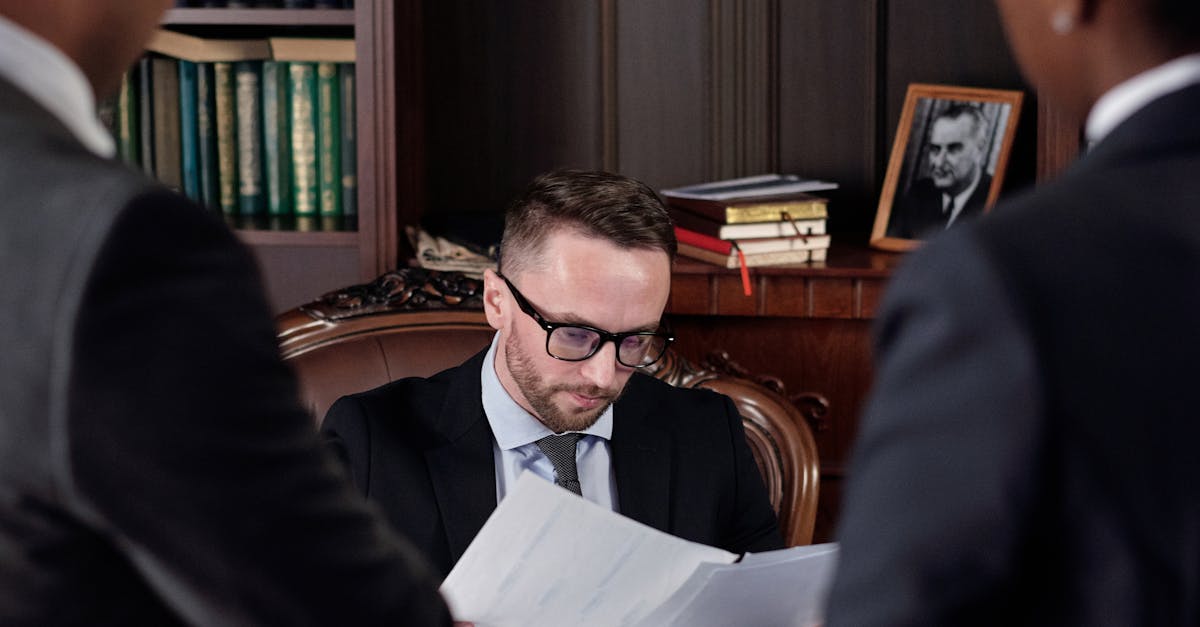
Representation in court
At Markhoff and Mittman - Brooklyn, our dedicated team of personal injury attorneys provides exceptional court representation for clients seeking justice and compensation for their injuries. We understand that navigating the legal system can be daunting, especially when dealing with the aftermath of an accident or injury. Our experienced lawyers are committed to advocating for your rights, meticulously preparing your case, and presenting compelling arguments before a judge and jury. With a focus on personalized service, we take the time to understand your unique situation and craft a strategic approach tailored to your needs. When you choose Markhoff and Mittman, you gain a powerful ally in the courtroom, fighting tirelessly to secure the outcome you deserve.
The Impact of Evidence on Personal Injury Cases
In personal injury cases, the quality and relevance of evidence can significantly influence the outcomes. Solid evidence helps establish fault and supports the claims made by the injured party. This evidence can range from medical records documenting injuries to photographs of the accident scene. Clear documentation enables attorneys to present a compelling narrative to the court or during negotiations with insurance companies.
Additionally, witness testimonies can play a pivotal role in shaping the perception of a case. When multiple witnesses corroborate the injured party's account, it strengthens the overall argument. Gathering all forms of evidence early in the process ensures that important details are not overlooked. It provides a well-rounded case that can lead to favorable settlements or verdicts.
Types of Evidence Needed to Support Your Claim
In personal injury cases, the strength of a claim often hinges on the type and quality of evidence presented. Medical records are crucial, as they provide documentation of injuries sustained and the treatments received. Photographic evidence can help illustrate the extent of damages, while witness statements can corroborate details about the incident. Additionally, accident reports generated by law enforcement can serve as an official account, helping to establish fault and circumstances surrounding the event.
Collecting evidence promptly is essential to building a robust case. It is beneficial to gather all relevant documents, including bills and receipts related to medical expenses, lost wages, and other financial impacts. Surveillance footage, if available, can serve as compelling evidence that depicts the incident effectively. This comprehensive approach not only strengthens the case but also enhances the potential for a favorable outcome in negotiations or court proceedings.
The Role of Negotiation in Personal Injury Settlements
Negotiation plays a crucial role in the resolution of personal injury cases. Many claims are settled before proceeding to trial, allowing both parties to reach an agreement without the long and often costly litigation process. A well-structured negotiation can lead to outcomes that are satisfactory for both the claimant and the insurance company. Understanding the interests and positions of all parties involved is essential for a successful negotiation.
An effective negotiation strategy involves preparation and clear communication. Gathering all pertinent evidence strengthens the case and provides leverage during discussions. Identifying potential weaknesses in the opposing party's position can also help in achieving a favorable settlement. Building rapport and maintaining a respectful tone throughout the process encourages a collaborative atmosphere, which can facilitate better outcomes for both sides.
Strategies for Effective Settlement Discussions
Effective settlement discussions require clear communication and a thorough understanding of both parties' interests. Being prepared with all relevant information helps establish credibility. Knowing the strengths and weaknesses of your case can influence the negotiation process. It is beneficial to anticipate counterarguments from the opposing party. Keeping emotions in check while remaining focused on the facts can contribute to a more productive dialogue.
Listening actively to the other party can yield valuable insights. This approach allows for identifying common ground, which may facilitate compromise. Offering reasonable solutions demonstrates a willingness to cooperate. Remaining flexible can open the door to creative arrangements that may benefit both parties. Building rapport during negotiations can foster trust, making it easier to reach an agreement.
Understanding the Statute of Limitations
Every state imposes a statute of limitations, which sets a deadline for filing personal injury claims. This time frame varies significantly depending on the jurisdiction and type of case. For instance, some states allow only one year to file suit following an injury, while others might extend this period to three years or even longer. Understanding these limits is crucial for anyone who has suffered an injury, as missing the deadline can result in losing the right to seek compensation.
Factors such as discovery of injuries or the involvement of minors can affect the applicable time limits. When injuries are not immediately apparent, the clock may begin ticking when the victim discovers the injury or should have reasonably discovered it. It is essential to consult with a personal injury attorney early in the process to ensure compliance with the statute of limitations and to safeguard your legal rights.
Time Limits for Filing Personal Injury Claims
Each state has its own statute of limitations regarding personal injury claims, which establishes the timeframe within which an injured party must file their lawsuit. Typically, these limits range from one to six years, depending on the specifics of the case and the jurisdiction. Familiarity with local laws is crucial, as missing this deadline can result in losing the right to seek compensation for damages.
Certain factors may influence the statute of limitations, including the nature of the injury and the circumstances surrounding the incident. In some situations, such as when the injured party is a minor or when negligence is discovered later, the time limit may be extended. Consulting with a personal injury attorney can help clarify these nuances and ensure that all necessary actions are taken within the designated timeframe.
FAQS
What is the role of a lawyer in personal injury cases?
A lawyer helps clients navigate the legal process, gathers and presents evidence, negotiates settlements, and represents them in court if necessary.
How do I choose the right attorney for my personal injury case?
Look for an attorney with experience in personal injury law, positive client reviews, and a proven track record of successful settlements or verdicts.
What types of evidence are crucial for a personal injury claim?
Evidence may include medical records, accident reports, witness statements, photographs of the incident scene, and any documentation of lost wages or expenses.
What should I expect during the negotiation process for a settlement?
Expect a series of discussions where both parties present their viewpoints, and negotiation tactics may be employed to reach a mutually agreeable settlement.
How does the statute of limitations affect my ability to file a personal injury claim?
The statute of limitations sets a deadline for filing claims, and if you miss this deadline, you may lose your right to pursue compensation for your injuries.